

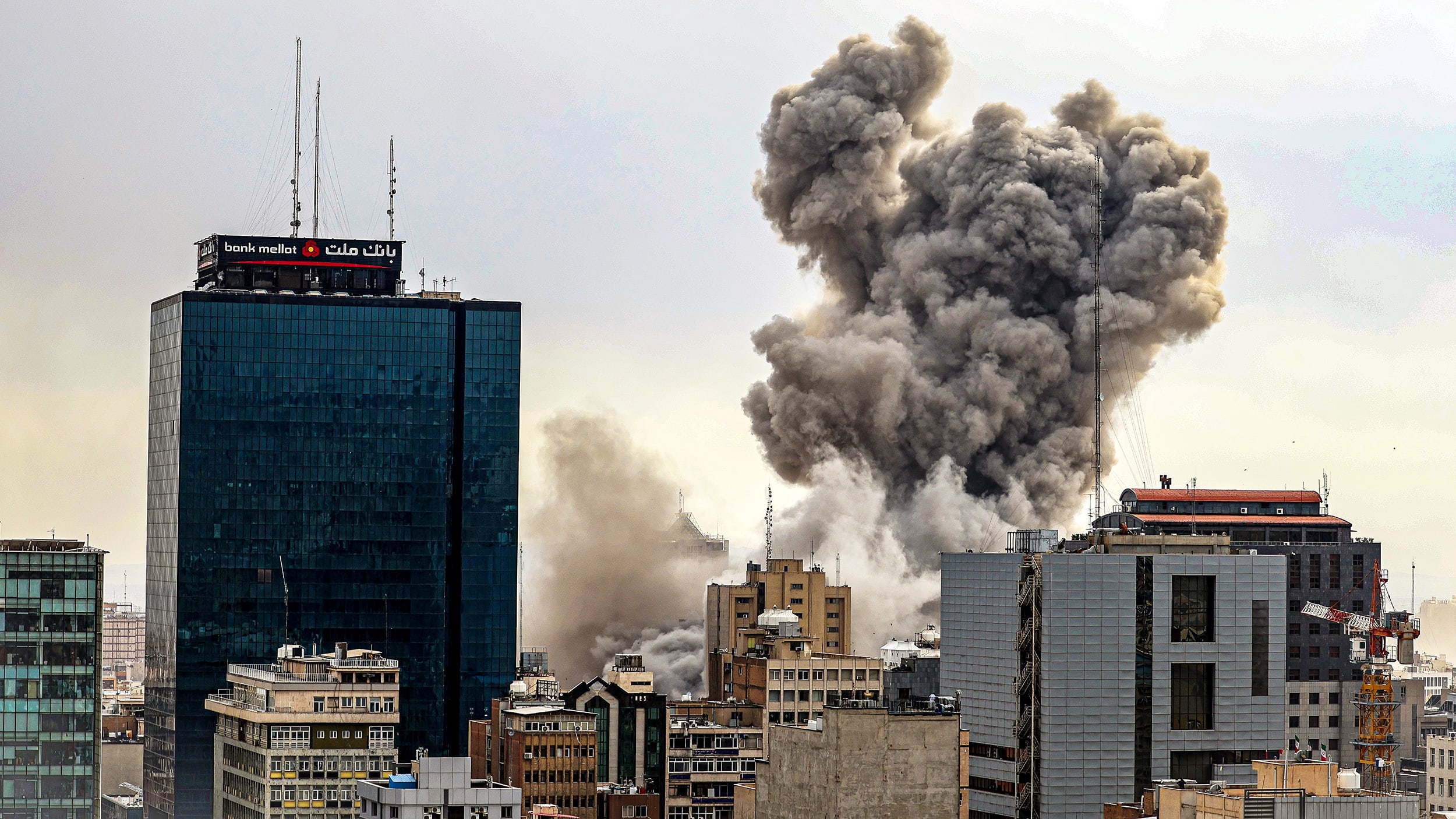
Rising tensions in the Middle East, particularly involving Iran, have once again placed global markets on alert. While Australia is geographically far from the region, modern economies are deeply interconnected. Events occurring thousands of kilometres away can still influence domestic financial conditions through energy prices, inflation, and investor confidence.
For the Australian property market, the key issue is not whether the conflict directly affects housing demand. Rather, it is how global economic shocks triggered by geopolitical crises may influence interest rates, household budgets, and market sentiment.
Instead of asking whether war creates opportunity, a more responsible and practical question for investors is:
How should property investors prepare if a global crisis shock occurs?
Understanding the Economic Transmission
The connection between Middle East conflict and Australian housing is primarily economic rather than geographic.
The transmission mechanism usually follows a predictable pattern:
Geopolitical conflict → Oil price increases → Inflation pressure → Interest rate response → Housing market adjustments
Iran sits near the Strait of Hormuz, one of the most important oil transport routes in the world. A significant portion of global oil shipments passes through this narrow corridor. If tensions disrupt supply or create shipping risks, global energy prices can rise rapidly.
Higher oil prices increase transportation and production costs across many sectors. These rising costs feed into inflation, affecting food, utilities, and daily living expenses.
If inflation rises or remains stubbornly high, the Reserve Bank of Australia (RBA) may delay interest rate cuts or keep borrowing costs elevated for longer. Higher mortgage rates directly influence housing affordability and buyer confidence.
Possible Scenarios for the Australian Property Market
Scenario 1: Contained Conflict
If tensions remain limited and energy supply routes remain open, the economic impact may be temporary.
In this situation:
- Oil price spikes may be short-lived
- Inflation pressures remain manageable
- Interest rates stay relatively stable
Property markets may experience a brief slowdown in transactions as buyers pause to assess global conditions. However, underlying drivers such as population growth, migration, and housing supply shortages continue to support the market.
Scenario 2: Prolonged Energy Shock
If geopolitical tensions persist and energy prices remain elevated for several months, the impact could be more noticeable.
Under this scenario:
- Household cost-of-living pressures increase
- Consumer confidence weakens
- Mortgage affordability tightens
Property price growth may slow or flatten temporarily. Markets heavily reliant on high borrowing capacity, such as first-home-buyer segments, could feel pressure first.
However, rental markets may remain resilient. Australia continues to experience strong population growth and ongoing housing supply shortages. Rising construction costs may also delay new housing projects, which could tighten rental availability further.
Scenario 3: Major Global Escalation
A severe escalation that disrupts global trade routes or financial markets could trigger broader economic volatility.
In the short term:
- Buyer confidence may fall
- Transaction volumes could decline
- Sellers may face longer listing periods
However, the medium-term outcome depends on how central banks respond. If economic slowdown risks increase significantly, central banks may eventually lower interest rates to support economic activity. Historically, rate reductions tend to support housing markets after initial uncertainty passes.
Property Strategies for Navigating Crisis Conditions
Periods of global uncertainty require discipline and preparation rather than speculation. Property investors should focus on strengthening financial resilience and risk management.
1. Maintain Financial Buffers
Interest rate uncertainty means investors should ensure they have adequate cash reserves. Mortgage repayments, maintenance costs, and vacancy periods should be stress-tested against higher interest rates.
A conservative financial position provides flexibility during volatile periods.
2. Focus on Fundamentals
During uncertain times, quality assets become even more important.
Investors should prioritise properties in locations with:
- strong population growth
- reliable employment centres
- limited housing supply
These factors help maintain long-term demand regardless of short-term economic shocks.
3. Avoid Over-Leverage
Highly leveraged positions can become vulnerable when interest rates remain elevated or household budgets tighten.
Maintaining manageable debt levels reduces financial stress and allows investors to hold property through market cycles.
4. Monitor Rental Market Strength
Even during global economic disruptions, housing remains a fundamental need. Rental demand in Australia has remained strong due to migration and limited new housing supply.
Investors should focus on areas where rental demand is stable and vacancy rates are low.
Strong rental income can help offset higher holding costs.
Why Australian Property Markets Remain Structurally Resilient
Australia’s housing market operates within a framework that historically provides stability:
- strong population growth through migration
- regulated lending standards
- significant owner-occupier participation
- ongoing supply shortages in major cities
These structural factors help cushion the market against extreme volatility.
Unlike speculative assets such as cryptocurrencies or highly leveraged equities, property markets typically adjust gradually rather than collapsing suddenly.
Managing the Psychological Impact of Global Crisis
Global headlines can strongly influence market sentiment. Negative news often causes buyers to hesitate, which can temporarily reduce market activity.
However, long-term property investing is rarely about reacting to short-term news cycles. Instead, successful investors focus on fundamentals, financial stability, and long-term housing demand.
Preparing for uncertainty is far more effective than attempting to predict geopolitical outcomes.
Final Thoughts
Conflict in the Middle East does not directly determine Australian property prices. However, the ripple effects through energy markets, inflation, and interest rate policy can influence market sentiment and borrowing conditions.
Rather than viewing geopolitical events through the lens of opportunity, investors should approach them as reminders of the importance of preparation.
Sound financial management, disciplined borrowing, and a focus on strong property fundamentals remain the most effective strategies for navigating uncertain global conditions.
In real estate, resilience is not built during boom periods—it is built through careful preparation long before the next crisis arrives.